


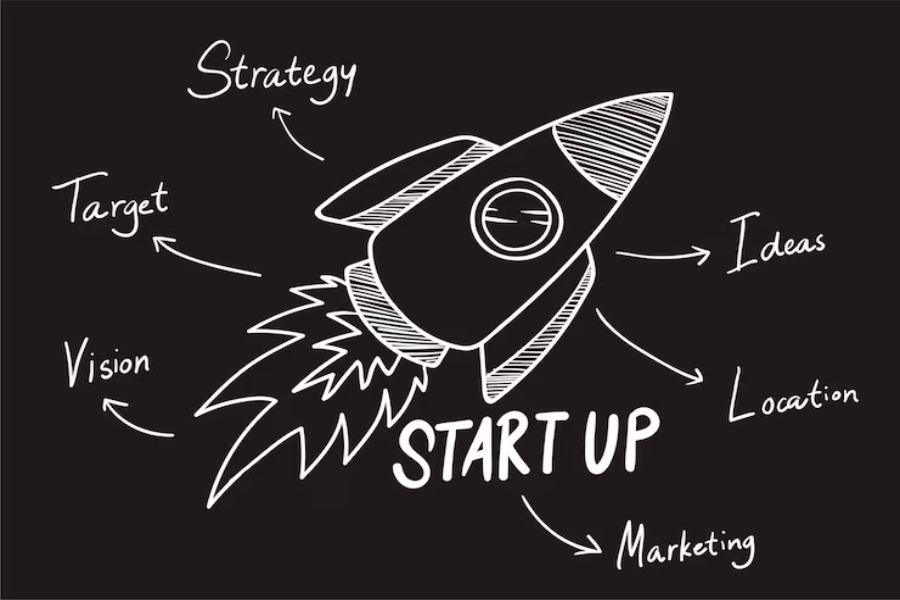
Your competitors aren’t just building products—they’re building companies. While you perfect features, they’re winning investor attention, attracting talent, and building waitlists. Branding before launch isn’t vanity. It’s a strategy that doesn’t require huge budgets, just intentional thinking about who you are.
Why Your Brand Can’t Wait for Your Product
Your brand shapes how people perceive you before they experience your product. That perception matters from day one.
The startups that win create gravity early. They pull in customers, capital, and talent before shipping anything. Consider Superhuman. They built a massive waitlist before launching their email client. They positioned themselves as exclusive, fast, and designed for people who live in their inbox. Much like a startup incubator, they built momentum before the product was fully in the market. When they finally launched, customers begged to pay for email.
Notion spent years in beta but built a community first. They created a distinctive brand voice and positioned themselves as the anti-bloatware tool for thinkers. By the time they opened up, they had a movement.
The cost of getting branding wrong is real. Rebranding after you have customers and investors is expensive and risky. Building a brand foundation now sets direction for everything that follows.
Start With Strategy, Not Design
Most founders jump straight to logo design and color palettes. But your visual identity should flow from strategic thinking, not the other way around.
Before you open Figma or hire a designer, answer these questions honestly.
What problem are you solving and for whom?
Focus on the actual human problem, not your feature set. Slack didn’t sell business chat software. They sold making work life simpler and more productive. That distinction shaped everything from their product to their messaging.
Think about the progress customers want to make. Your brand enables that progress.
What makes your approach different?
This isn’t your feature list. Stripe’s differentiation wasn’t payment processing. It was making payment processing simple for developers. That shaped their documentation, design language, and market position.
What do you stand for?
Your values aren’t wall art. They’re decision frameworks. When Patagonia commits to environmental responsibility, it influences product design, supply chains, and marketing. Your values should guide real decisions.
Structure your brand elements in layers. Start with functional attributes at the base. Add emotional benefits in the middle. Define core values above that. Top it with personality. This hierarchy helps organize your positioning from what you do to how people feel to what you believe.
Spend a weekend on this foundation. Write it down. Test it with potential customers. Get honest feedback. This clarity makes every branding decision easier.
Build Your Identity System
Now you can think about how your brand looks, sounds, and feels.
Naming: Choose Carefully But Don’t Overthink
Your name needs to be memorable, available, and scalable. Avoid names that box you in. San Francisco Coffee Shop becomes a problem when you expand to Oakland.
Test for easy spelling and pronunciation. Check domain availability. Verify no negative meanings in other languages if you’re thinking global. Make sure it has room to grow beyond your first product.
Use tools like Namechk to verify availability across platforms. Do a basic trademark search before falling in love with a name. A cease-and-desist letter after you’ve built traction is devastating.
Visual Identity: Professional Doesn’t Mean Expensive
You don’t need a six-figure brand system. You need consistency.
If you have a limited budget, use tools like Looka or Brandmark to generate logo concepts. Tools like Canva enable consistent asset creation even without design skills. Establish a tight color palette and stick to it. Choose two fonts and commit. If you want more flexibility, Design.com can help you create professional and memorable logo designs in minutes. Its AI-powered logo maker generates customizable logo concepts based on your business name, industry, and style preferences, making it easy for entrepreneurs to establish a strong visual identity without hiring a designer.
If you have a moderate budget, hire a talented freelancer on Dribbble or Behance. You won’t get a full agency experience, but you’ll get professional design that sets you apart.
If you’re bootstrapping completely, DIY with Canva but study brands you admire. Notice how the best brands use generous white space, limit their color palette, and maintain ruthless consistency.
Create a simple one-page brand guide. Document your colors with hex codes, fonts, logo variations, and basic usage rules. Share it with everyone who touches your brand.
Brand Voice: Sound Like a Human
Your brand voice is how you talk when nobody’s watching. Are you witty or serious? Casual or professional?
Position the customer as the hero and your brand as the guide. This keeps your voice customer-focused instead of self-promotional.
Mailchimp crafted a friendly, accessible voice that differentiated them in enterprise software. Their tone was occasionally funny and never condescending. It stood out in a sea of companies taking themselves too seriously.
Create a simple voice chart. List three adjectives you are. List three you’re not. Write the same message in your voice versus not your voice. This gives everyone a reference point.
Build Your Pre-Launch Presence
Even without a product, you can build an audience. A strong pre-launch brand helps you attract the right people early.
The Coming Soon Page That Works
Your landing page needs four elements. A headline that articulates the value you provide. A brief explanation. Email capture with a compelling reason to sign up. Social proof or credibility indicators like beta users or advisors.
Linear demonstrated this perfectly. Their coming soon page was clean. It showed product vision through carefully crafted visuals. Joining the waitlist felt exclusive. They converted massive interest before launch.
Tools like Webflow or Framer help you build landing pages that convert better than basic templates. Track performance using Google Analytics to see which messages resonate.
Social Media: Build in Public Strategically
Pick 1-2 platforms where your audience actually spends time. Don’t spread yourself thin.
For B2B startups, LinkedIn and Twitter work best. Share insights about the problem you’re solving. Give behind-the-scenes glimpses of building your startup. Offer thought leadership on your industry.
For consumer products, Instagram, TikTok, or Twitter work depending on demographics. Show your personality. Share your journey. Educate your audience about the problem space. You can even highlight useful tools for content sharing, such as ssstiktik, to demonstrate practical ways to manage and distribute media.
The key is consistency and value. Post regularly with genuinely useful content, not just promotion. Basecamp’s founders built massive followings by sharing honest insights about building companies. This created an audience before they needed to market their products. If you want to enhance your TikTok engagement, consider adding a TikTok Story Link to direct viewers to additional content or offers.
Track engagement using analytics tools like Mixpanel to understand what content your audience values most.
Email: Your Most Valuable Asset
Social media platforms can disappear or change algorithms overnight. Your email list is yours forever. Email subscribers convert at much higher rates than social followers.
Start a newsletter before you launch. Share weekly insights about the problem you’re solving. Give behind-the-scenes updates on building your startup. Curate resources your audience finds valuable. Build anticipation with progress updates.
ConvertKit serves creators who need automation. Substack works for pure publishing. Both help you build and monetize your audience. Aim for weekly or bi-weekly consistency. A small group of engaged email subscribers creates more value than a large group of passive social followers.
Generate Buzz Before Launch
Create exclusivity through limited beta access. Joining thousands of others on the waitlist sounds more compelling than signing up for our free product.
Partner strategically with complementary startups or established brands. Co-create content. Cross-promote. Build integrations. These partnerships extend your reach without paid marketing.
Engage communities authentically. Join relevant Slack groups, Discord servers, subreddits, and Facebook groups. Contribute genuine value for months before mentioning what you’re building. When you do share, it gets welcomed instead of resented.
Personal outreach works. Email potential users every day. Keep it personal, specific, and brief. Ask for their input, not just their attention. These early relationships often become your best advocates. Consider leveraging YouTube Shorts to build buzz through video content before your launch.
Launch on Product Hunt
Product Hunt amplifies pre-launch visibility significantly. Featured products attract substantial waitlist signups. Success requires preparation though.
Launch Tuesday through Thursday for maximum visibility. Prepare assets well ahead of time. Engage actively in comments on launch day. Follow up with supporters. The platform creates momentum that extends far beyond launch day itself.
Track your Product Hunt performance using analytics to measure which visitors convert to actual signups or customers.
Avoid These Costly Mistakes
Don’t copy your competitors. You’ll always be a step behind and train customers to see you as interchangeable. Study them, then deliberately choose to be different.
Don’t over-design before validating. Your first brand identity should be good enough to launch with, not perfect for the next decade. You’ll evolve as you learn what resonates.
Don’t ignore trademark basics. Consult a trademark attorney now to avoid an expensive rebrand later.
Don’t treat branding as one and done. Your brand guidelines should evolve as you learn about your customers. Build in quarterly reviews to assess what’s working and what needs refinement. Use analytics to validate which brand elements drive the results you want.
Your First 90 Days
Here’s a realistic timeline for pre-launch branding.
Weeks 1-2 cover strategic foundation. Define your positioning and core elements. Clarify values and target audience. Research what your customers actually want.
Weeks 3-4 handle name selection and basic visual identity. Apply what you learned in strategy to create coherent design.
Weeks 5-6 build your coming soon page and social profiles. Launch initial content that provides value to your target audience.
Weeks 7-8 launch your email newsletter and begin community engagement. Start building relationships that will matter later.
Weeks 9-12 focus on ongoing content, refinement based on feedback, and buzz building. Use analytics to track what’s working.
This runs parallel to product development, not instead of it. Budget a few hours weekly if you’re solo. Distribute across the founding team if you’re not.
The Bottom Line
Your brand is the promise you make before customers experience your product. It’s why someone chooses you over the competition.
Start now. Start simple. Start with intention. Your future customers are already forming impressions. You might as well shape what they see.
Leave a Reply