


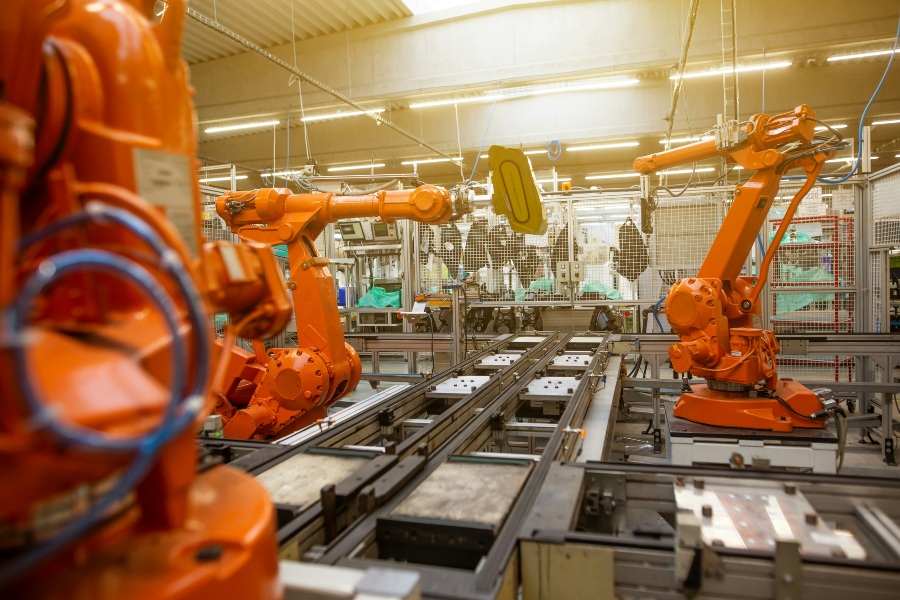
Industrial automation is becoming smarter as companies look for better ways to improve productivity, reduce downtime, and modernize control systems. Many businesses work with expert control system integrators like Pacific Blue Engineering, which delivers tailored automation solutions for industries such as manufacturing, food and beverage, life sciences, entertainment, and transportation. Their expertise helps companies optimize processes, modernize legacy controls, improve machine safety, enhance product quality, reduce risk, and gain valuable operational insights through advanced systems engineering and automation technologies.
So, How Does AI Enhance Industrial Automation? AI improves automation by enabling machines and control systems to learn from data, detect patterns, predict problems, and make faster decisions. Traditional automation follows fixed instructions, but AI-powered automation can adapt when conditions change. This makes industrial operations more efficient, flexible, and reliable.
Today’s factories and industrial facilities generate huge amounts of data from sensors, PLCs, robots, cameras, motors, and production lines. AI helps turn that data into useful insights. Instead of waiting for a machine to fail, businesses can predict maintenance needs. Instead of relying only on manual inspection, AI can detect defects quickly. Instead of guessing where delays happen, teams can use AI to identify bottlenecks and improve workflows.
AI does not replace industrial automation. It upgrades it. When AI is integrated with a robust control system, businesses can connect machines, software, data, and people into a single, smarter operation.
Smart Data’s Role in Enhancing AI-Driven Industrial Automation
AI enhances industrial automation by turning raw industrial data into practical decisions. Every machine in a modern facility can create useful information. Sensors may collect data about temperature, pressure, vibration, speed, energy use, and production output. Without AI, this data may be difficult to understand or use properly.
AI analyzes this information in real time. It can show operators when a machine is working normally and when something is changing. For example, if a motor starts consuming more energy than usual, AI may detect the pattern before the issue becomes serious. If production quality drops during certain conditions, AI can help identify the cause.
This is one of the clearest answers to How Does AI Enhance Industrial Automation? It helps companies make smarter decisions based on data instead of guesswork. Operators, engineers, and managers can see what is happening across the facility and respond faster.
Smart data also improves control system integration. When machines, PLCs, SCADA systems, sensors, and dashboards are connected, AI can analyze the full picture. This helps businesses improve visibility, reduce errors, and make automation more responsive.
Better Predictive Maintenance with AI Technology
Predictive maintenance is one of the most valuable uses of AI in industrial automation. In traditional maintenance, companies often repair machines after they break or follow fixed service schedules. Both methods can be costly. Waiting for failure causes downtime, while fixed schedules may lead to unnecessary maintenance.
AI improves this process by monitoring equipment health in real time. It studies data such as vibration, temperature, sound, pressure, and energy use. When AI detects unusual behavior, it can alert maintenance teams before the equipment fails.
For example, a machine may show small changes in vibration before a bearing wears out. Human operators may not notice the early sign, but AI can detect the pattern. The maintenance team can then inspect the machine and fix the issue during planned downtime.
This reduces unexpected shutdowns and protects production schedules. It also helps machines last longer because they receive maintenance at the right time. Companies can avoid emergency repairs, reduce spare part waste, and use maintenance teams more efficiently.
How Does AI Enhance Industrial Automation? It helps industries move from reactive maintenance to predictive maintenance. This keeps production lines running smoothly and reduces costly interruptions.
AI’s Role in Improving Product Quality and Machine Safety
AI improves product quality by helping companies detect defects faster and more accurately. In industries such as manufacturing, food and beverage, life sciences, packaging, and transportation, product quality is critical. A small defect can lead to waste, recalls, customer complaints, or safety issues.
AI-powered computer vision systems can inspect products as they move through the production line. These systems use cameras and machine learning to identify problems such as cracks, scratches, missing parts, wrong colors, label errors, shape issues, or packaging defects.
Unlike manual inspection, AI does not get tired. It can inspect products consistently at high speed. This helps reduce waste and improve customer satisfaction. AI can also help teams understand why defects happen. For example, it may indicate that defects increase when the machine speed is too high or when the temperature changes during production.
AI also supports machine safety. Smart sensors and cameras can detect unsafe movement, overheating equipment, blocked safety zones, or unusual machine behavior. When a risk appears, the system can alert workers or stop equipment.
This makes industrial environments safer while keeping operations productive. AI does not replace proper safety engineering, but it adds another layer of protection. When combined with machine safety systems and expert control system integration, AI can help reduce risk and improve workplace confidence.
Modern Industrial Automation Powered by AI Technologies
Several technologies work together to make AI useful in industrial automation. These AI automation tools help factories become more connected, intelligent, and adaptive.
Machine Learning
Machine learning allows systems to learn from data and improve over time. In industrial automation, it can predict failures, optimize machine settings, improve quality control, and identify production patterns. The more reliable data it receives, the better its predictions become.
Computer Vision
Computer vision helps machines “see” products, parts, labels, and surfaces. It is widely used for quality inspection, robotic guidance, safety monitoring, and defect detection. It helps companies reduce manual inspection time while improving accuracy.
Industrial IoT
Industrial IoT connects machines, sensors, and devices across a facility. These connected systems collect real-time data that AI can analyze. Without Industrial IoT, AI may lack sufficient reliable data to generate useful insights.
Edge Computing
Edge computing processes data close to the machine instead of sending everything to a distant cloud system. This helps AI make faster decisions. It is especially useful for safety systems, robotics, and time-sensitive production processes.
AI-Powered Robotics
AI makes robots more flexible and capable. Robots can adjust movements, recognize objects, avoid obstacles, and respond to changing production needs. They can support assembly, packaging, material handling, inspection, and warehouse automation.
These technologies answer the question “How Does AI Enhance Industrial Automation?” by showing how AI gives machines greater awareness, faster decision-making, and greater adaptability.
Benefits and Challenges of AI in Industrial Automation
AI brings many benefits to industrial automation. It can reduce downtime, improve product quality, lower operational costs, enhance safety, and help companies modernize legacy systems. It also gives businesses deeper visibility into their operations.
The main benefits include:
- Less downtime because AI predicts machine problems early.
- Better quality through faster and more accurate defect detection.
- Lower costs by reducing waste, repairs, and energy inefficiency.
- Improved safety through smarter monitoring and risk detection.
- Better decisions because AI turns production data into useful insights.
- Modernized controls by supporting legacy system upgrades and integration.
However, AI implementation also comes with challenges. Some companies may have old machines that do not collect enough data. Others may need better sensors, software, cybersecurity, or employee training. Poor data quality can also reduce AI performance.
Businesses should not start with a large, complicated AI project. A better approach is to begin with one clear problem. For example, a company may focus on reducing downtime, improving inspection, lowering energy use, or upgrading a legacy control system.
After choosing the goal, the company should collect reliable data, test a small AI solution, measure results, and then expand. This practical approach reduces risk and helps teams understand the value of AI.
How Does AI Enhance Industrial Automation? It works best when companies combine AI with strong system integration, clean data, skilled workers, and clear business goals.
Conclusion
AI is changing industrial automation by making machines, control systems, and production lines more intelligent. It helps companies predict failures, improve product quality, reduce downtime, increase safety, and make better decisions from real-time data.
The answer to How Does AI Enhance Industrial Automation? is simple: AI adds learning, prediction, and adaptability to traditional automation. It helps businesses move from fixed processes to smarter industrial systems that can respond to change.
When AI is combined with expert control system integration, companies can modernize legacy controls, optimize processes, reduce risks, and gain valuable operational insights. This creates safer, more efficient, and more competitive industrial operations.
As industries continue to adopt smart factories, robotics, Industrial IoT, and advanced automation technologies, AI will become even more important. Businesses that use AI strategically will be better prepared for the future of industrial automation.
FAQ’s
How Does AI Enhance Industrial Automation?
AI enhances industrial automation by analyzing data, predicting equipment failures, improving quality control, optimizing workflows, and supporting real-time decision-making.
Why is AI important in industrial automation?
AI is important because it makes automation smarter and more flexible. It helps machines learn from data and respond to changing industrial conditions.
How does AI improve predictive maintenance?
AI monitors machine data such as vibration, temperature, pressure, and energy use. It detects early warning signs before equipment fails.
Can AI improve product quality?
Yes. AI can inspect products using computer vision, detect defects faster, reduce waste, and help teams find the cause of quality issues.
What is control system integration?
Control system integration connects machines, sensors, PLCs, software, and dashboards so industrial systems work together smoothly.
Is AI useful for legacy industrial systems?
Yes. AI can support legacy modernization when older systems are connected to modern sensors, controls, and data platforms.
Leave a Reply