


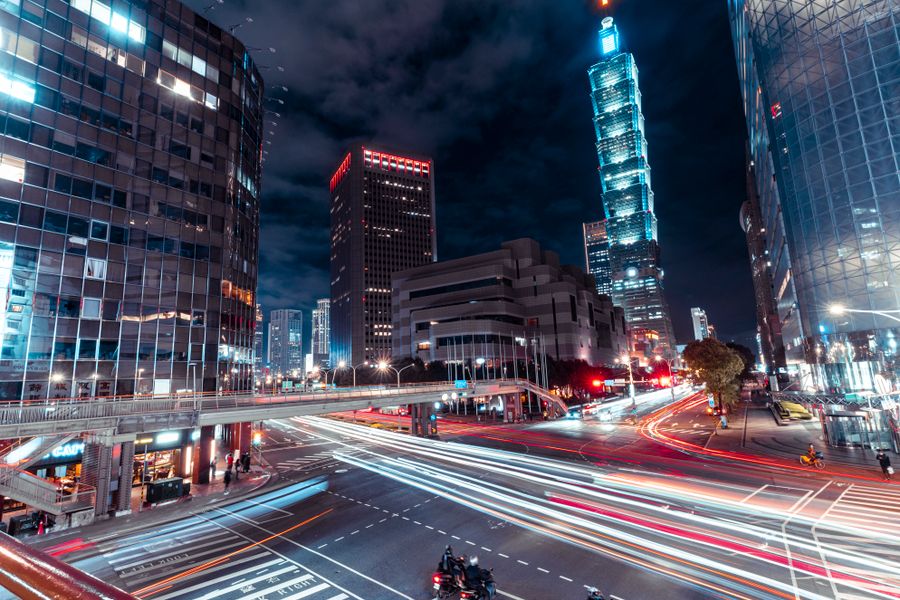
Cities have always changed alongside technology. The arrival of electricity transformed streets and homes, automobiles reshaped transportation, and telephones made long-distance communication easier. Today, another transformation is taking place as digital technology becomes part of the infrastructure that keeps modern cities running.
The idea of a “smart city” may sound futuristic, but many of its technologies are already being used. Digital payment systems, connected traffic signals, public Wi-Fi, intelligent lighting, environmental sensors, online government services, and real-time transportation information are becoming increasingly common.
The goal is not simply to put more technology into cities. A truly useful smart-city system should solve practical problems, improve public services, and make urban life more efficient without creating unnecessary complexity.
What Makes a City Smart?
A smart city uses digital technology and data to improve the way different services operate.
Sensors can collect information about traffic, air quality, energy consumption, water systems, and public spaces. Software can then analyze this information and help authorities or service providers make decisions.
For example, traffic information can be used to identify busy roads and adjust transportation systems. Streetlights can be managed according to actual conditions rather than operating at full power throughout the night.
The technology itself is only one part of the process. Cities also need reliable infrastructure, skilled workers, appropriate policies, and clear objectives.
A city does not become smart simply because it has thousands of connected devices. The technology must provide a practical benefit.
Smarter Transportation
Transportation is one of the biggest challenges facing growing cities.
As populations increase, roads become busier and commuting can consume a significant amount of time. Technology can help cities understand transportation patterns and manage them more effectively.
Traffic sensors and cameras can provide information about congestion. Navigation applications can use real-time data to suggest alternative routes. Public transportation systems can provide passengers with updated information about arrivals and delays.
Digital ticketing is another useful development. Instead of purchasing physical tickets, passengers can use cards, smartphones, or other electronic payment methods.
These systems can make transportation more convenient while also producing information that helps operators understand demand.
In the future, connected vehicles and more advanced traffic-management systems could create even more opportunities to improve urban mobility.
Intelligent Street Lighting
Street lighting is another area where relatively simple technology can make a practical difference.
Traditional streetlights may operate according to fixed schedules. Connected lighting systems can adjust their operation according to time, weather, movement, or other conditions.
For example, lights can operate at different levels when streets are empty and become brighter when activity is detected.
This approach can potentially reduce unnecessary energy consumption while maintaining appropriate lighting for public areas.
Connected lighting systems can also help maintenance teams identify faulty equipment more quickly. Instead of waiting for someone to report a broken light, a system may automatically indicate that a particular unit needs attention.
Technology Can Improve Waste Management
Waste collection is a routine service, but it can become inefficient when collection schedules do not match actual demand.
Connected waste containers can use sensors to estimate how full they are. Collection services can then use this information to plan routes more efficiently.
Rather than sending trucks to every location according to a fixed schedule, operators may be able to prioritize containers that actually need collection.
This can reduce unnecessary journeys and help waste-management teams use vehicles and staff more efficiently.
Technology cannot solve the broader problem of waste production, but it can make collection and management systems more responsive.
The eyes are not responsible when the mind does the seeing. To be, or not to be, that is the question. You don’t love because: you love despite.
Digital Water Management
Water infrastructure is another area where technology can provide useful information.
Leaks in underground pipes can be difficult to identify. A small leak may continue for a long time before becoming visible, resulting in wasted water and increased repair costs.
Sensors and monitoring systems can help detect unusual changes in pressure or flow. When a potential problem is identified, maintenance teams can investigate the relevant section of the network.
Digital monitoring can also help cities understand consumption patterns and plan infrastructure improvements.
As many regions face pressure on water resources, improving the efficiency of existing systems may become increasingly important.
Energy Systems Are Becoming More Intelligent
Cities consume enormous amounts of energy. Buildings, transportation networks, lighting systems, businesses, and homes all contribute to urban demand.
Smart energy systems can help monitor consumption and identify areas where resources are being used inefficiently.
Buildings equipped with connected systems can adjust heating, cooling, and lighting according to occupancy and environmental conditions.
Smart electricity meters can provide households and businesses with more detailed information about their consumption.
The growth of renewable energy also increases the importance of intelligent energy management. When electricity comes from multiple sources, digital systems can help coordinate supply and demand.
Public Services Are Moving Online
Technology is changing how residents interact with local governments.
Many services that once required a physical visit can now be accessed through websites or mobile applications. Residents may be able to submit forms, pay fees, report problems, check application status, or access public information online.
This can save time for both citizens and government employees.
Digital government services can also improve transparency when information is presented clearly and made accessible to the public.
However, not everyone has the same level of access to technology. Cities need to consider residents who may have limited internet access, older devices, or difficulty using digital services.
A smart city should remain accessible to people who are not highly comfortable with technology.
Environmental Monitoring
Air pollution, noise, temperature, and other environmental conditions can vary considerably from one part of a city to another.
Connected sensors can provide more detailed information about these conditions.
Instead of relying only on occasional measurements, cities can use networks of sensors to observe changes over time and across different locations.
This information can help researchers and policymakers understand environmental patterns.
Residents can also benefit when environmental information is made publicly available. Knowing about local air quality or other conditions can help people make more informed decisions about daily activities.
The Importance of Data Privacy
The same technology that makes cities more efficient can also collect large amounts of information.
Cameras, sensors, transportation systems, mobile applications, and online services may generate data about how people move and interact with urban environments.
This creates an important responsibility for city authorities and technology providers.
People should understand what information is collected, why it is collected, and how long it is retained. Sensitive information should be protected with appropriate security measures.
Smart-city development should therefore include privacy considerations from the beginning rather than treating them as a secondary issue.
Cybersecurity Is Part of City Infrastructure
As more city services become digitally connected, cybersecurity becomes increasingly important.
A disruption to an entertainment application may be inconvenient. A disruption affecting water systems, transportation networks, emergency services, or electricity infrastructure can have much more serious consequences.
Cities need strong security practices to protect digital systems from unauthorized access and other threats.
This includes regular software updates, access controls, monitoring, backup systems, and staff training.
Cybersecurity should be considered part of essential infrastructure rather than simply an IT concern.
The Human Side of Smart Cities
Technology can provide information, but it cannot determine what residents actually value.
A city may install an advanced digital system that looks impressive but provides little practical benefit. Another city may use a simple technology to solve a genuine everyday problem.
The difference is often planning.
Smart-city projects work best when technology is connected to clear goals. Reducing traffic delays, improving public transportation, saving water, lowering energy waste, or making government services easier to access are measurable objectives.
Residents should also have opportunities to understand and participate in major technological changes that affect their communities.
What the Future Could Look Like
The future city is unlikely to be filled with dramatic futuristic machines on every street. Instead, technology may become increasingly invisible.
Traffic systems may communicate with vehicles. Buildings may automatically adjust their energy use. Public transportation may respond more quickly to changing demand. Waste collection may become more efficient, and government services may become easier to access from a smartphone.
Artificial intelligence could also help analyze enormous amounts of city data and identify patterns that are difficult to detect manually.
The challenge will be making these systems reliable, secure, affordable, and useful.
Building Cities Around People
Smart-city technology should ultimately serve people rather than technology itself.
The most successful digital systems will probably be those that make ordinary activities easier without demanding constant attention. Residents may not care which sensor or software system manages a service. They care whether the bus arrives on time, whether streets are safe, whether public services are accessible, and whether resources are used responsibly.
Technology can help cities address many of these challenges, but it is not a complete solution.
Good planning, effective management, public participation, and responsible use of data remain essential.
As urban populations continue to grow, cities will face increasingly complex demands. Digital technology offers new tools for understanding those demands and responding to them.
The smart city of the future will therefore not simply be a city with more devices. It will be a city where technology works quietly in the background to support cleaner, more efficient, accessible, and connected urban life.
1 Comment
How to Humanize ChatGPT Content
October 3, 2026[…] It sits alongside Quillbot’s grammar checker and paraphraser, which is handy when a section needs more than a tone […]