


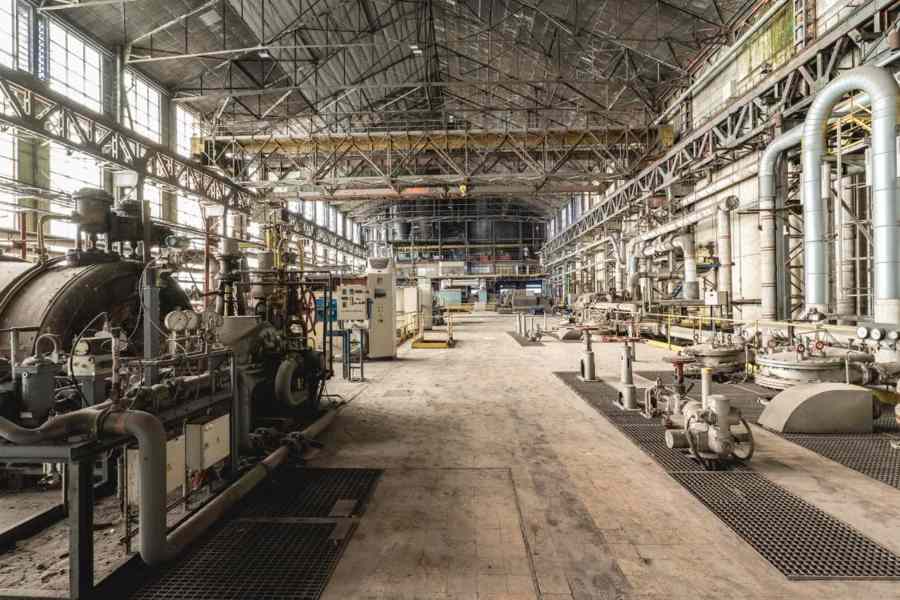
How did industrial technology impact sectionalism? Industrial technology helped deepen the economic differences between the Northern and Southern United States during the nineteenth century. As factories, machinery, transportation systems, and agricultural inventions developed, the two regions increasingly depended on different economic systems.
The North experienced rapid industrial growth. Factories expanded, cities became larger, and wage labor became an important part of the economy. Manufacturing and commercial trade shaped Northern interests and encouraged support for policies that promoted domestic industry.
The South followed a different path. Its economy remained heavily dependent on agriculture, especially cotton production. Technological improvements made cotton production more profitable, while the plantation system still relied heavily on enslaved labor.
The development of specialized industrial equipment has continued to shape modern production. Modern examples include ultra freezers Mirai Intex, designed for specialized applications.
These differences contributed to growing sectional tensions. Technology did not create sectionalism by itself, but it strengthened the economic systems and regional interests that separated the North from the South.
The Rise of Industrial Power in the North
Industrial technology transformed the Northern economy by making manufacturing faster and more productive. New machinery allowed factories to produce textiles, tools, clothing, and other goods on a much larger scale than traditional hand production.
Factory growth also changed how people worked. Instead of producing goods independently as craftsmen or farmers, many workers became dependent on factory wages. Industrial cities grew as workers moved toward areas where manufacturing jobs were available.
This development created a regional economy that looked very different from the plantation-based South. Northern businesses became increasingly connected to manufacturing, banking, transportation, and commercial markets.
Industrialization also brought problems. Factory workers often faced long hours, dangerous conditions, low wages, and little control over their work. Despite these problems, industrial technology continued to strengthen the North’s economic identity.
This helps explain how industrial technology impacted sectionalism. The more industrial the North became, the more its economic interests differed from those of the agricultural South.
Cotton, Technology, and the Expansion of the Southern Economy
The South’s economic development was closely connected to cotton. One of the most important technological developments was the cotton gin, associated with Eli Whitney.
The machine made it much faster to separate cotton fibers from their seeds. This increased the efficiency and profitability of cotton production and encouraged plantation agriculture to expand.
The growth of cotton had a major consequence: it increased the economic importance of enslaved labor. Rather than making slavery unnecessary, improved cotton processing helped make the plantation system more profitable.
As cotton production expanded, Southern planters sought additional land and labor. Cotton became a major commercial crop and connected the Southern economy to national and international markets.
This is one of the clearest examples of how industrial technology impacted sectionalism. Technology strengthened the South’s agricultural economy even as industrial technology transformed the North.
The two regions were therefore moving in different economic directions. The North increasingly depended on manufacturing and wage labor, while the South became more deeply connected to cotton and enslaved labor.
Transportation Innovations That Connected a Divided Nation
Transportation technology also changed the relationship between different regions of the United States. Canals, steamboats, and railroads made it easier to move raw materials and finished products across longer distances.
Northern transportation networks supported factories by connecting manufacturers with suppliers, workers, consumers, and commercial centers. Industrial cities became important hubs for trade and manufacturing.
The South also benefited from transportation improvements. Railroads and waterways helped move cotton and other agricultural products from plantations toward markets and ports.
At first, this might seem like technology should have reduced sectionalism. Better transportation connected Americans and created larger markets. However, it also allowed each region to specialize more effectively.
The North could strengthen manufacturing while the South expanded agricultural production. As a result, transportation connected the regions economically while simultaneously reinforcing their different economic roles.
This contradiction matters when considering how industrial technology shaped sectionalism. Technology created national connections, but it also helped regional economies specialize further.
Free Labor vs Enslaved Labor: A Growing Economic Divide
One of the biggest differences between the North and South involved labor.
Northern factories increasingly depended on wage workers. People worked for employers and received wages. Industrial expansion made this labor system central to Northern economic development.
The Southern plantation economy depended heavily on enslaved labor. As cotton became more profitable, slavery became increasingly central to the production system that supported Southern agriculture.
These labor systems shaped different political and social interests. Many Northerners supported a free-labor model, while Southern plantation interests defended slavery as an essential part of their economy.
The disagreement became especially serious as the United States expanded westward. Each new territory raised questions about whether slavery would be permitted there.
Therefore, industrial technology and sectionalism are closely connected to labor. Technology helped make the North’s industrial system and the South’s cotton economy more productive, strengthening the interests behind their different labor structures.
From Economic Differences to Political Tensions
Economic differences eventually became political disagreements.
Northern manufacturers often supported protective tariffs because they made imported manufactured products more expensive and encouraged domestic production. Southern agricultural interests often viewed such policies differently because the South relied heavily on agricultural exports and purchased manufactured goods.
Slavery created an even deeper conflict. The expansion of cotton increased the economic importance of enslaved labor, while many Northern interests increasingly favored free labor.
Western expansion brought these disagreements together. As new territories entered the national debate, Americans had to decide whether slavery would expand into them.
Technology did not directly create these political disputes. Instead, it strengthened the economic systems that influenced them.
This is why you can’t answer how industrial technology shaped sectionalism by focusing on inventions alone. The important issue was how those inventions changed production, labor, trade, and regional economic interests.
Why Industrial Growth Deepened Sectional Identity
Industrial development helped create increasingly distinct regional identities.
The North became associated with factories, cities, wage labor, manufacturing, commercial trade, and transportation networks. The South remained strongly associated with plantations, cotton, agriculture, and enslaved labor.
Neither region depended on only one economic activity. The North had agriculture, and the South had manufacturing and trade. However, the relative importance of these activities created meaningful differences.
Industrial technology therefore contributed to sectionalism by strengthening and making existing economic differences more profitable.
At the same time, the two regions remained economically connected. Southern cotton supplied Northern and international textile markets, while Southern consumers purchased manufactured products.
This meant the North and South were not separate economies. They were interconnected economies with increasingly different priorities.
Technology’s Role in the Road to the Civil War
Industrial technology was an important factor in the growth of sectional tensions, but it was not the sole cause of the Civil War.
Slavery remained at the center of many political disputes. Territorial expansion, states’ rights, federal authority, tariffs, and political competition also contributed to the growing crisis.
The best way to understand how industrial technology shaped sectionalism is to see it as a force that intensified existing differences.
Northern industrialization strengthened a free-labor economy, while Southern agricultural technology helped expand cotton production and reinforced slavery. These developments gave each region stronger economic reasons to defend its own interests.
As disagreements became harder to compromise on, sectionalism intensified. By the mid-nineteenth century, economic differences were deeply tied to political and social conflicts.
Conclusion
How did industrial technology impact sectionalism? It strengthened the economic differences between the North and South and helped turn those differences into deeper political and social divisions.
Northern industrial technology encouraged factory production, urban growth, commercial trade, and wage labor. Southern agricultural technology, particularly the cotton gin, increased cotton production and reinforced the plantation economy’s dependence on enslaved labor.
Transportation technology connected the regions to larger markets, but it also allowed them to specialize in different economic activities. These developments influenced debates about tariffs, labor, slavery, and western expansion.
Industrial technology did not cause the Civil War on its own. Instead, it amplified the economic forces behind sectionalism and helped make the interests of the North and South increasingly difficult to reconcile.
FAQs
1. How did industrial technology impact sectionalism?
It strengthened the economic contrast between the industrial North and agricultural South. Northern technology supported manufacturing and wage labor, while Southern agricultural technology strengthened cotton production and the plantation economy.
2. How did the cotton gin contribute to sectionalism?
The cotton gin made cotton processing more efficient and encouraged greater cotton production. This increased plantation profitability and strengthened the economic importance of enslaved labor.
3. Did industrialization cause the Civil War?
No. Industrialization was one contributing factor. Slavery, territorial expansion, political disagreements, states’ rights, and federal power were also major factors.
4. How did transportation technology affect sectionalism?
Railroads, canals, and steamboats made transportation faster and expanded markets. They connected regions and allowed the North and South to specialize in different economic activities.
5. Why did the North and South develop different economies?
The North increasingly focused on manufacturing and commerce, while the South benefited from plantation agriculture and cotton production. Geography, available resources, labor systems, and technological development all contributed to these differences.
6. Why was cotton so important to the South?
Cotton became a highly profitable cash crop. Its expansion increased the demand for land and enslaved labor, making cotton and slavery central to the Southern economy.
Leave a Reply