


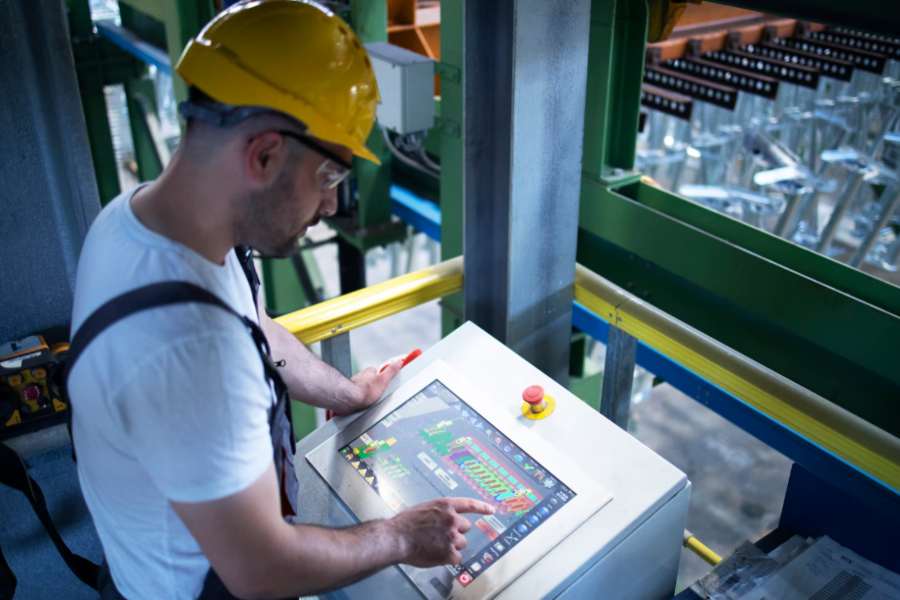
Industrial automation and control system integration is critical for industries looking to improve efficiency, safety, and product quality. Companies like Pacific Blue Engineering are leaders in delivering tailored automation solutions for sectors such as manufacturing, food and beverage, life sciences, entertainment, and transportation. Their expertise allows businesses to modernize legacy controls, optimize processes, enhance machine safety, improve product quality, reduce operational risks, and gain actionable insights through advanced automation technologies.
One of the key technologies enabling these benefits is scada system integration. SCADA connects sensors, machines, and control systems across the facility to provide real-time monitoring, automated process control, and predictive analytics. By integrating SCADA with other automation platforms, operators can streamline operations, detect anomalies early, and respond proactively to maintain uptime and efficiency.
Industrial automation relies on a combination of AC and DC power supplies to support devices such as programmable logic controllers (PLCs), actuators, sensors, and human-machine interfaces (HMIs). Backup systems, such as uninterruptible power supplies (UPS) and industrial batteries, ensure uninterrupted operation during outages. With integrated communication networks and IoT-enabled monitoring, automation systems deliver reliable performance, actionable data, and operational excellence, helping companies stay competitive in fast-moving markets.
How are industrial automation and control systems devices powered?
Industrial automation and control systems use AC for heavy machinery and DC for sensitive electronics such as PLCs and sensors. Solutions such as SCADA system integration enable real-time monitoring and control. Backup power, such as UPS and industrial batteries, ensures continuous operation, improving efficiency, safety, and reliability across industrial processes.
Power Fundamentals for Modern Automation Systems
Industrial automation devices vary in power and operational needs. AC power typically powers motors, pumps, and heavy actuators, while DC power powers sensors, PLCs, and precision electronics. Engineers must consider voltage ratings, current capacity, and environmental conditions such as temperature, humidity, and dust when designing control systems.
Reliable power distribution is essential to support the seamless operation of automation devices. Redundant power feeds, isolation transformers, and surge protection minimize downtime and prevent equipment damage. Uninterruptible power supplies (UPSs) and industrial batteries maintain operations during outages, ensuring that PLCs, HMIs, and sensors continue to function.
Proper integration of automation systems allows devices to communicate effectively. SCADA systems, programmable controllers, and sensors form a network that facilitates real-time monitoring and automated control. Predictive maintenance can be achieved by monitoring power usage, voltage fluctuations, and operational patterns, reducing downtime while improving efficiency.
Advanced automation integration also includes energy-efficient power supplies and IoT-enabled monitoring, allowing enterprises to analyze operational data and optimize processes. When combined with SCADA system integration, companies can achieve holistic control over plant operations, enhance product traceability, and maintain compliance with industry standards.
Finally, industrial automation integration supports scalability and flexibility. Production lines can be expanded or reconfigured without compromising reliability, while automated systems continuously deliver precise, repeatable operations. This ensures consistent quality, reduces errors, and enhances overall operational performance.
Core Power Sources for Automation Systems
Understanding the different power sources that drive industrial automation devices is essential for designing reliable and efficient control systems. Each source plays a specific role in ensuring consistent operation, safety, and performance.
Alternating Current (AC) Power
AC power is used for motors, pumps, and heavy machinery due to its high capacity and easy distribution across industrial facilities.
Direct Current (DC) Power
DC power supplies sensitive electronics such as PLCs, sensors, and HMIs, ensuring stable, precise operation.
Uninterruptible Power Supply (UPS)
UPS ensures critical devices stay operational during power outages and protects against voltage fluctuations.
Industrial Batteries
Batteries provide backup power for short-term interruptions and enable controlled shutdowns of key equipment.
Renewable Energy Sources
Solar panels and energy storage solutions can supplement traditional power, improving sustainability and reducing operational costs.
Essential Components of Integrated Automation Systems
A well-designed automation system relies on several key components to ensure smooth operation, safety, and accurate control. Each component plays a vital role in monitoring, controlling, and optimizing industrial processes.
- Power Converters – Transform AC to DC for sensitive control circuits.
- Transformers – Adjust voltage for machinery and electronic devices.
- Circuit Breakers – Protect equipment from overloads and short circuits.
- Surge Protectors – Prevent electrical spikes from damaging devices.
- Redundant Feeds – Provide dual power paths for reliability.
- Energy Meters – Monitor power consumption for efficiency and diagnostics.
- Sensors & Actuators – Collect real-time data and perform physical actions.
- Human-Machine Interfaces (HMIs) – Enable operators to monitor, control, and respond to operational data.
- SCADA Systems – Centralize control and monitoring across the facility to improve decision-making and predictive maintenance.
Best Practices for Power Distribution and Control
Efficient industrial automation requires proper power distribution design. Isolated circuits for critical devices prevent failures from propagating. Voltage regulators, surge suppressors, and grounding systems enhance stability and safety.
IoT-enabled monitoring enables predictive alerts for deviations in voltage, current, or device performance. Documentation and labeling of circuits simplify maintenance, while redundant power feeds and backup solutions improve reliability. When combined with SCADA system integration, operators gain a complete overview of plant operations, enabling proactive management, real-time control, and better alignment of manufacturing with business objectives.
Enhancing System Performance through Integration
Integrating automation systems and ensuring reliable power delivery is key to maximizing performance across industrial operations. Properly designed integration improves productivity, safety, and overall equipment efficiency.
- Device Reliability: Stable power and integrated control systems reduce operational errors.
- Operational Efficiency: Seamless device integration improves throughput and reduces bottlenecks.
- Safety Compliance: Properly powered and controlled systems minimize the risk of hazards.
- Energy Optimization: Monitoring and automation reduce waste and improve efficiency.
- Longevity of Equipment: Well-integrated automation systems extend the life of machinery and electronics.
Conclusion
In conclusion, industrial automation and control system integration is essential for modern enterprises to optimize processes, improve safety, and enhance product quality. By leveraging solutions such as SCADA system integration, businesses gain real-time visibility, predictive insights, and reliable operational control. Companies like Pacific Blue Engineering exemplify how expert automation integration transforms production, enhances machine performance, reduces risk, and drives measurable business value across industries.
FAQ’s
What is industrial automation and control system integration?
It is the process of connecting devices, sensors, machinery, and control software to optimize operations, increase efficiency, and improve safety.
How does SCADA system integration help businesses?
SCADA centralizes monitoring and control, enabling real-time insights, predictive maintenance, and automated process adjustments.
What power sources are used in industrial automation?
AC is used for heavy machinery, DC powers control electronics, and UPSs and batteries provide backup during outages.
Why is integrating devices important for efficiency?
Integration allows machines, sensors, and controllers to communicate, reducing errors, improving uptime, and optimizing production workflows.
How does Pacific Blue Engineering support industrial automation?
They deliver tailored solutions, modernize legacy controls, improve machine safety, and implement SCADA and advanced automation systems.
Can renewable energy be used in industrial automation?
Yes, solar panels and energy storage can supplement or replace grid power for sustainability and cost efficiency.
Leave a Reply