


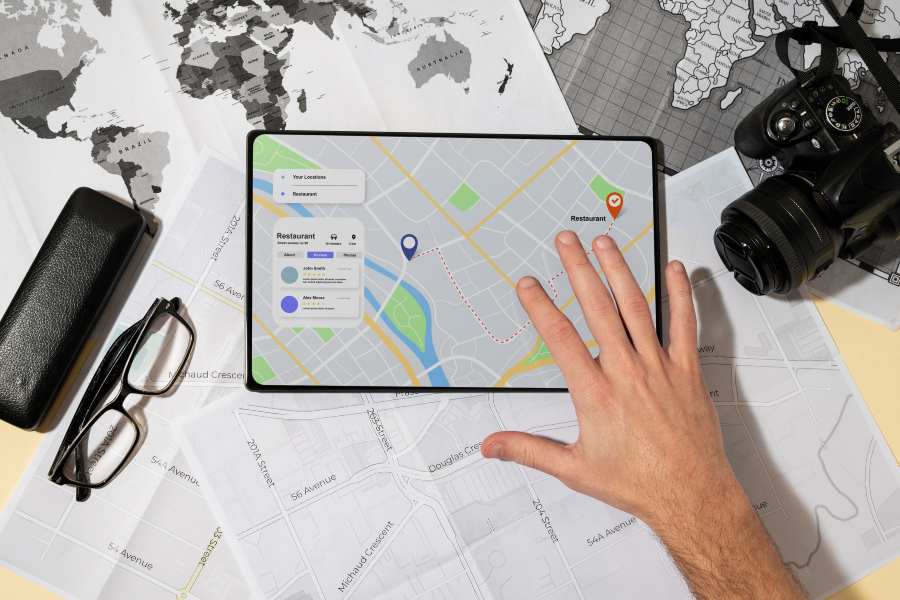
For local businesses, appearing at the top of Google Maps can directly influence customer visits, calls, and sales. When people search for services nearby, they usually choose businesses that appear in the first few map results. If your business does not appear prominently, competitors can capture those potential customers.
Many business owners ask how to rank higher on Google Maps because local search has become one of the most powerful ways to attract ready-to-buy customers. Google determines Maps rankings based on several factors, including business relevance, location, reputation, customer reviews, and online authority. Working with experienced digital professionals, such as an Astrix IT company, can also help businesses improve their online presence and develop effective strategies for better local visibility.
Improving your Google Maps visibility isn’t about a single trick. It requires a combination of accurate business information, consistent optimization, customer engagement, and strong local SEO practices.
A properly optimized Google Business Profile (GBP) helps Google understand your business and connect it with relevant searches. From choosing the right category to collecting reviews and creating local content, every activity contributes to stronger local rankings.
Whether you operate a small shop, service-based business, restaurant, or multi-location company, improving your Google Maps ranking can help you reach more nearby customers and build long-term online visibility.
How Google Maps Ranking Works and Why It Matters for Local Businesses
Google Maps ranking depends on how well your business matches a user’s search intent and how trustworthy your business appears online. Google mainly evaluates three important factors: relevance, distance, and prominence.
Relevance determines whether your business profile matches what customers are searching for. A complete profile with accurate categories, services, descriptions, and keywords helps Google understand what you offer.
Distance refers to how close your business is to the searcher’s location. While you cannot completely control this factor, accurate location details and service area information can help Google display your business correctly.
Prominence represents your business reputation and authority. Reviews, backlinks, local mentions, and customer engagement all contribute to how Google views your business.
Understanding these ranking factors is the first step to ranking higher on Google Maps. Businesses that consistently improve these areas have a better chance of appearing in the Google Local Pack.
Higher Google Maps visibility provides several benefits:
- More phone calls from local customers
- Increased website visits
- More direction requests
- Higher brand trust
- Better local customer engagement
A strong Maps presence allows small businesses to compete with larger companies by reaching customers at the exact moment they need a product or service.
Optimize Your Google Business Profile for Better Google Maps Rankings
Your Google Business Profile is the foundation of your Google Maps presence. An incomplete or inaccurate profile can prevent your business from reaching its full ranking potential.
Start by claiming and verifying your business listing. Verification confirms your business is legitimate and lets you manage key information.
Complete every section of your profile, including:
- Business name
- Address
- Phone number
- Website URL
- Business hours
- Services and products
- Business description
- Photos and videos
Choosing the correct primary category is especially important. Google uses categories to match businesses with relevant searches. For example, a bakery should select a bakery-related category instead of a general food category.
Adding high-quality images also improves customer engagement. Upload photos of your location, products, team, and services regularly. Visual content helps customers understand your business before visiting.
Another important step is keeping your information up to date. Update changes to opening hours, phone numbers, or services immediately to avoid confusing customers and search engines.
A well-maintained Google Business Profile sends positive signals and supports your goal of improving local visibility.
Build Reviews and Customer Trust to Improve Google Maps Visibility
Customer reviews play a major role in local SEO success. Businesses with many positive reviews often appear more trustworthy to both Google and potential customers.
Reviews provide proof that real people interact with your business. They influence customer decisions and help improve your online reputation.
To build more reviews:
- Ask satisfied customers for feedback
- Make the review process simple
- Respond to every review professionally
- Address negative feedback politely
- Maintain a consistent review flow
Avoid fake reviews or artificial review practices because they can damage your reputation and violate Google’s guidelines.
Responding to reviews also shows that your business is active. Thank customers for positive feedback and respond helpfully to concerns. This creates stronger relationships and improves customer confidence.
Review quality, quantity, and freshness all matter. A business receiving regular positive feedback is more likely to appear competitive in local searches.
When developing a strategy to rank higher on Google Maps, review management should be one of your top priorities.
Improve Local SEO Signals Beyond Google Maps
Google Maps rankings are connected with your overall online presence. Your website and external business mentions can strengthen your local authority.
One important factor is NAP consistency. NAP stands for Name, Address, and Phone number. Your business information should remain identical across:
- Website
- Social media profiles
- Online directories
- Industry listings
- Review platforms
Incorrect information can confuse search engines and reduce trust.
Creating local content is another effective strategy. Publish articles, guides, and pages related to your location and services.
Examples include:
- Local service guides
- Customer success stories
- Neighborhood-focused articles
- Industry tips for your area
Your website should also include location-based keywords naturally. Create dedicated pages if you serve multiple locations.
Local backlinks can further improve authority. Partner with community organizations, local websites, news publications, and business directories to earn relevant links.
These activities help Google understand that your business is established and trusted within your local area.
Use Google Maps Engagement Strategies to Stay Competitive
Ranking higher on Google Maps is not a one-time activity. Continuous engagement helps maintain visibility.
Businesses should regularly update their Google Business Profile by:
- Publishing Google Posts
- Adding new photos
- Updating products and services
- Answering customer questions
- Monitoring customer interactions
Google prefers active profiles because they provide users with fresh information.
You should also track your performance regularly. Google Business Profile insights provide information about:
- Search appearances
- Customer calls
- Website clicks
- Direction requests
- Customer actions
Analyzing this data helps you understand what works and where you can improve.
Competitor analysis is also useful. Check businesses ranking above you and compare:
- Number of reviews
- Profile completeness
- Categories used
- Content activity
- Website quality
This information can reveal opportunities to improve your own strategy.
Common Mistakes That Prevent Higher Google Maps Rankings
Many businesses struggle with Google Maps visibility because of avoidable mistakes.
Common problems include:
- Incomplete Google Business Profiles
- Incorrect business categories
- Inconsistent contact information
- Ignoring customer reviews
- Using keyword-stuffed business names
- Rarely updating photos or posts
- Creating low-quality local content
Another mistake is expecting instant results. Local SEO requires consistency and patience. Businesses that regularly improve their profiles and customer experience usually achieve stronger long-term results.
Avoid shortcuts and focus on building genuine authority.
Conclusion
Learning how to rank higher on Google Maps requires a complete local SEO approach that combines profile optimization, customer reviews, accurate information, local content, and ongoing engagement.
A strong Google Maps presence helps businesses connect with nearby customers who are actively searching for their products or services. By improving your Google Business Profile, building trust through reviews, maintaining local citations, and creating valuable content, you can increase visibility and attract more customers.
Google Maps optimization is an ongoing process, not a one-time task. Businesses that consistently monitor performance and improve their local presence have the best chance of achieving higher rankings and sustainable growth.
FAQs
1. How long does it take to rank higher on Google Maps?
The time depends on your competition, location, industry, and current online presence. Some businesses see improvements within weeks, while others may require several months of consistent optimization.
2. Does Google Business Profile affect Google Maps rankings?
Yes. Google Business Profile is one of the most important factors for Google Maps visibility. A complete and optimized profile helps Google understand your business better.
3. Do Google reviews improve Maps rankings?
Yes. Positive reviews improve customer trust and can support better rankings. Review quality, quantity, and consistency all influence local search performance.
4. Can small businesses rank higher on Google Maps?
Yes. Small businesses can compete by optimizing their profiles, collecting reviews, creating local content, and building strong community authority.
5. What are the main factors for Google Maps ranking?
The main factors are relevance, distance, and prominence. Google evaluates how well your business matches searches, your location, and your overall reputation.
6. Should I update my Google Business Profile regularly?
Yes. Regular updates, new photos, posts, and accurate information help keep your profile active and useful for customers.
Leave a Reply