


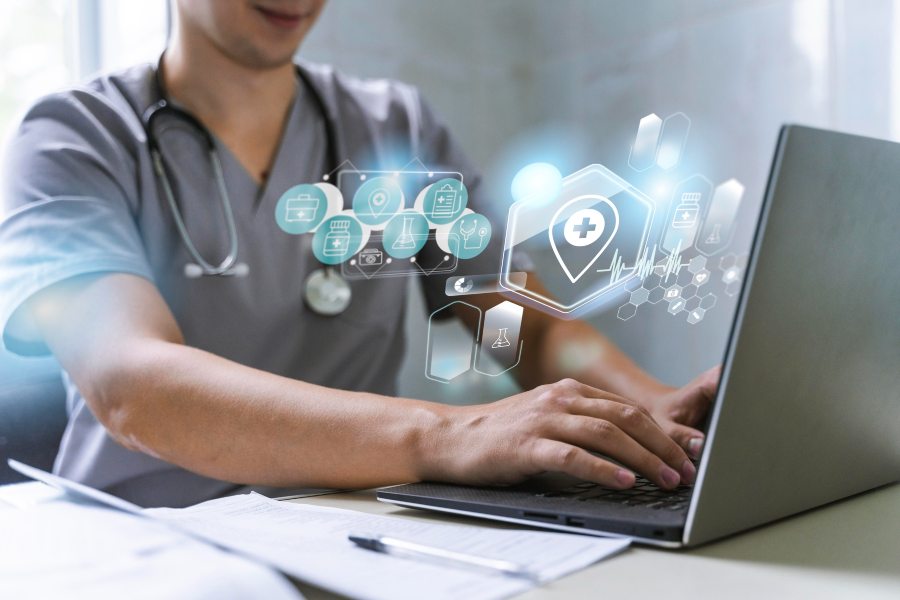
Healthcare has always depended on accurate information, quick decisions, and efficient processes. However, traditional healthcare systems based on paper records, manual scheduling, and disconnected communication often create delays, errors, and unnecessary workload. This is where healthcare software has become a critical part of modern medical operations.
From hospitals and clinics to laboratories and home healthcare providers, software solutions help professionals manage patient records, improve communication, automate administrative tasks, and deliver safer treatment. Digital healthcare tools such as Electronic Health Records (EHR), telemedicine platforms, healthcare analytics systems, and AI-powered diagnostic solutions are changing how medical services are delivered. Advanced communication solutions, including vpaas, also help healthcare organizations improve virtual interactions and create smoother digital experiences between providers and patients.
The growing adoption of technology raises an important question: why is software important in healthcare? The answer lies in its ability to improve almost every area of healthcare, including patient safety, medical decision-making, operational efficiency, and accessibility.
Healthcare software does not simply replace paperwork with digital systems. It creates a connected environment where doctors, nurses, administrators, and patients can access important information faster and make better decisions. As healthcare demands continue to increase, software provides the foundation needed for more efficient, secure, and patient-focused medical services.
Why Is Software Important in Healthcare?
Software matters in healthcare because it helps medical professionals deliver faster, safer, and more accurate care. Healthcare software manages patient records, supports diagnosis, improves communication between healthcare teams, automates hospital operations, and protects sensitive medical information. Tools like EHR systems, telemedicine platforms, and AI-based healthcare solutions allow doctors to make informed decisions while giving patients easier access to medical services. In modern healthcare, software improves efficiency, reduces errors, and supports better health outcomes.
How Healthcare Software Improves Patient Care and Medical Services
Healthcare software has become one of the most valuable technologies in modern medicine because it directly improves how patients receive care. In the past, healthcare providers depended heavily on paper documents, manual records, and separate systems to manage patient information. These methods often caused delays, missing information, and communication problems between medical teams.
Digital healthcare systems solve these challenges by creating centralized platforms where doctors and nurses can quickly access patient histories, test results, medication information, and treatment plans. This lets healthcare professionals make faster, more accurate decisions.
Electronic Health Record (EHR) systems are a prime example of how software improves healthcare. Instead of searching through physical files, medical professionals can instantly review a patient’s complete health history. This is especially important during emergencies when every second matters.
Healthcare software also improves personalized treatment. By analyzing patient data, medical systems can help doctors understand individual health conditions and recommend suitable treatments. This supports patient-centered care where decisions are based on specific medical needs rather than general assumptions.
Another important advantage is improved patient safety. Automated systems can alert healthcare providers about possible medication interactions, allergies, and incorrect information. These features reduce human errors and help create safer treatment environments.
The importance of software in healthcare is also visible through remote healthcare services. Telemedicine platforms allow patients to consult doctors through online appointments, video calls, and digital communication tools. Providers such as Locumsmart can also support healthcare organizations with technology-driven solutions that help streamline access to medical professionals. This improves access for people in rural areas or those who cannot visit hospitals regularly.
Overall, healthcare software creates a more organized, accurate, and patient-focused healthcare system. It allows medical professionals to spend less time managing information manually and more time focusing on patient care.
How Healthcare Software Increases Hospital Efficiency
Modern healthcare requires hospitals to manage complex operations while maintaining high-quality patient care. Healthcare software improves efficiency by automating workflows, organizing medical information, and helping healthcare teams use resources more effectively.
Automating Administrative Healthcare Tasks
Healthcare organizations manage thousands of daily activities, including appointments, billing, staff scheduling, and patient documentation. Manually managing these tasks consumes valuable time and increases the risk of errors.
Healthcare software automates many administrative processes, allowing hospitals to operate more efficiently. Appointment scheduling systems help patients book visits easily while helping hospitals manage doctor availability.
Billing software also improves financial operations by reducing manual errors in invoices, insurance claims, and payment processing. This allows healthcare organizations to maintain accurate financial records.
Improving Healthcare Data Management
Managing medical information is one of healthcare’s biggest challenges. Software solutions organize large amounts of patient data securely and make information easily accessible.
Healthcare providers can quickly find medical histories, laboratory results, and previous treatments without searching through physical documents. This improves workflow and reduces unnecessary delays.
Supporting Better Resource Management
Hospitals must manage equipment, medicines, and staff resources carefully. Healthcare management software helps track inventory levels, equipment maintenance schedules, and operational performance.
By monitoring resources effectively, hospitals can avoid shortages and ensure that essential equipment is available when required.
Core Reasons Healthcare Software Is Essential for Modern Medical Systems
Healthcare software provides several advantages that improve medical services and business operations.
1. Better Patient Data Access
Healthcare software stores medical information in organized digital systems. Doctors can quickly review patient records, previous treatments, and test results.
2. Reduced Medical Errors
Automated healthcare systems help reduce mistakes by providing alerts, reminders, and accurate digital records.
3. Faster Communication
Software connects doctors, nurses, specialists, and patients through secure communication channels.
4. Improved Healthcare Security
Advanced healthcare software uses encryption, authentication, and access controls to protect sensitive patient information.
5. More Efficient Decision-Making
Healthcare analytics tools analyze medical data and provide insights that support better treatment decisions.
6. Greater Patient Convenience
Patient portals and mobile healthcare applications allow users to schedule appointments, view reports, and communicate with healthcare providers easily.
These benefits explain why software matters in healthcare and why healthcare organizations keep investing in digital transformation.
Types of Healthcare Software and Their Applications
Healthcare software includes different solutions designed to support various medical needs. Each type plays an important role in improving healthcare delivery.
Electronic Health Records (EHR) Software
EHR software stores complete patient information digitally, including medical history, diagnoses, medications, and laboratory reports. Doctors can access updated information quickly, improving treatment accuracy.
Unlike traditional paper records, EHR systems let healthcare providers share information securely across departments and facilities.
Telemedicine Software
Telemedicine software allows doctors and patients to communicate remotely through video consultations and digital platforms.
It improves healthcare accessibility by letting patients receive medical advice without visiting hospitals in person.
Healthcare Analytics Software
Healthcare analytics tools examine large amounts of medical data to identify patterns and trends.
These systems support predictive healthcare by helping doctors identify risks earlier and improve treatment strategies.
Laboratory Information Systems
Laboratory Information Systems (LIS) help laboratories manage samples, test results, and medical reports.
They improve accuracy and ensure that doctors receive laboratory information quickly.
Artificial Intelligence Healthcare Software
AI-powered healthcare software assists doctors with diagnosis, medical imaging analysis, and treatment recommendations.
AI systems can analyze complex medical data quickly and provide additional insights to healthcare professionals.
Future of Healthcare Software and Digital Medical Innovation
Artificial Intelligence and Machine Learning in Healthcare
Artificial intelligence and machine learning will strongly influence the future of healthcare software. These technologies can analyze large amounts of medical data and identify patterns that humans may miss.
AI-powered systems will continue supporting faster diagnosis, personalized treatment, and predictive healthcare.
Cloud-Based Healthcare Systems
Cloud technology allows healthcare providers to store and access information securely from different locations.
Cloud-based EHR systems improve collaboration between healthcare teams and make medical information available whenever needed.
Remote Patient Monitoring
Remote monitoring devices connected with healthcare software allow doctors to track patient conditions outside hospitals.
Patients with chronic conditions can receive continuous monitoring while staying at home.
Challenges in Healthcare Software Adoption
Although healthcare software offers many benefits, organizations must address challenges such as data security, implementation costs, staff training, and system compatibility.
Protecting patient information remains a top priority. Healthcare providers must use secure systems that follow privacy regulations.
Proper employee training is also necessary because healthcare professionals need confidence when using new digital tools.
Conclusion
Healthcare software has transformed the way medical organizations provide services, manage information, and communicate with patients. It improves patient safety, reduces administrative workload, strengthens data security, and supports better medical decisions.
Software matters in healthcare because it creates a more connected, efficient, and reliable healthcare ecosystem. From electronic records and telemedicine to artificial intelligence and healthcare analytics, digital solutions continue improving the quality of medical care.
As technology advances, healthcare software will become even more important in creating faster, safer, and more personalized healthcare experiences for patients worldwide.
FAQs
1. Why is software important in healthcare?
Software is important in healthcare because it improves patient care, manages medical information, reduces errors, automates tasks, and helps healthcare professionals make better decisions.
2. What are the most common types of healthcare software?
Common healthcare software includes EHR systems, telemedicine platforms, hospital management systems, laboratory information systems, healthcare analytics tools, and mobile health applications.
3. How does software improve patient safety?
Healthcare software improves safety by reducing medication errors, providing alerts, maintaining accurate records, and helping doctors access important patient information quickly.
4. How does healthcare software help hospitals save time?
Software automates administrative tasks such as appointment scheduling, billing, reporting, and documentation, allowing healthcare workers to focus more on patient care.
5. Is healthcare software secure?
Yes, healthcare software uses security features such as encryption, authentication, and access controls to protect sensitive patient information.
6. What is the future of healthcare software?
The future of healthcare software includes AI-powered diagnosis, cloud-based medical systems, remote patient monitoring, and personalized healthcare solutions.
Leave a Reply