


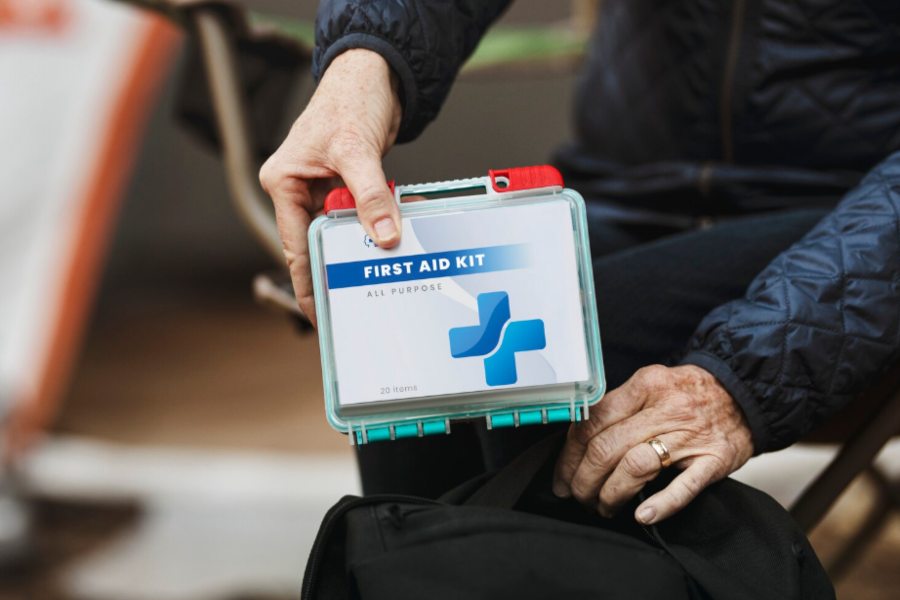
Emergency preparedness for seniors is a critical aspect of ensuring safety and peace of mind for both older adults and their families. As we age, responding to unexpected situations like natural disasters or power outages can become significantly more challenging. By taking the time to plan ahead, families can mitigate risks and ensure that their loved ones have the resources and support they need to navigate any crisis safely.
Why Emergency Preparedness Matters for Older Adults
When a crisis strikes, older adults often face unique vulnerabilities that require special consideration. Reduced physical mobility, chronic health conditions, cognitive decline, and a heavy reliance on daily medications mean that standard emergency responses might not be sufficient. This is precisely why emergency preparedness for the elderly is absolutely essential. Being proactive rather than reactive can prevent serious injuries, ensure the continuous delivery of vital medical care, and drastically reduce the stress and anxiety associated with sudden disruptions. For families and caregivers, having a comprehensive plan in place provides the ultimate reassurance that their loved ones are protected, no matter what unexpected events occur.
Emergency Preparedness Assessment for Seniors
Before you can create an effective safety plan or build a supply kit, it is vital to conduct a thorough emergency preparedness assessment for seniors. This detailed evaluation helps identify the specific needs and potential obstacles that could arise during a crisis. By deeply understanding these unique factors, families and caregivers can tailor their strategies to ensure maximum safety and comfort for the older adult.
Assessing Mobility and Medical Needs
Start by evaluating the senior’s physical capabilities and daily mobility. Do they rely on assistive devices such as a wheelchair, walker, or cane? If an evacuation becomes necessary, how will they exit the home safely and efficiently? Next, take a close look at their medical requirements. Take a complete inventory of all daily prescription medications, oxygen tanks, or medical devices that require electricity to function. It is crucial to have backup power sources, such as a generator or extra battery packs, and an extra supply of essential medications in case local pharmacies become inaccessible during a widespread emergency.
Assessing Home and Environmental Risks
The home environment itself can pose significant risks during an emergency if not properly managed. Walk through the residence and check for potential hazards like loose throw rugs, cluttered hallways, blocked exits, or poor lighting that could easily cause devastating falls during a power outage. Ensure that all smoke detectors and carbon monoxide alarms are functional. If the senior lives in an area prone to specific natural disasters, such as hurricanes, floods, or severe winter blizzards, evaluate how well the home will withstand these events and determine what modifications or structural reinforcements might be necessary to keep them safe.
Building an Emergency Kit for Seniors
A well-stocked, easily accessible emergency kit is a cornerstone of effective emergency preparedness for seniors. This kit should be stored in an accessible location and contain enough supplies to last for at least 72 hours. Essential items to include are:
- Plenty of water (one gallon per person per day) and a supply of non-perishable, easy-to-open food items.
- A minimum of a seven-day supply of all prescription medications, along with a list of dosages.
- Copies of important documents, including ID, insurance cards, and medical records, stored in a waterproof container.
- A reliable flashlight, extra batteries, and a battery-powered or hand-crank emergency weather radio.
- Comprehensive first-aid supplies, extra eyeglasses, hearing aid batteries, and any necessary hygiene products.
- An updated list of emergency contact information for doctors, family members, and local emergency services.
Creating a Personalized Emergency Plan
Once the initial assessment is complete and the emergency kit is fully built, the next critical step is creating a customized plan. This plan should detail specific evacuation routes out of the home, designated meeting places in the neighborhood, and a clear communication strategy for staying in touch. Discuss the plan with the senior to ensure they understand what to do and who to contact if they are alone when an emergency occurs. If the senior relies on professional caregiving services, be sure to coordinate with their provider, such as TruCare, to understand their specific emergency protocols and how their trained caregivers will support your loved one during a crisis.
Tips for Caregivers and Family Members
Caregivers and family members play a pivotal role in maintaining ongoing safety. It is important to regularly review and update the emergency plan and check the supplies in the emergency kit at least twice a year, replacing expired food, water, or medications. Build a strong local support network of trusted neighbors and friends who can quickly check on the senior if you are unable to reach them immediately during a disaster. Practice evacuation drills periodically to help the senior feel more confident and less panicked. Remember, emergency preparedness for seniors is not a one-time task but an ongoing process, and staying organized is the best way to ensure the long-term well-being and security of the older adults in your life.
Leave a Reply