


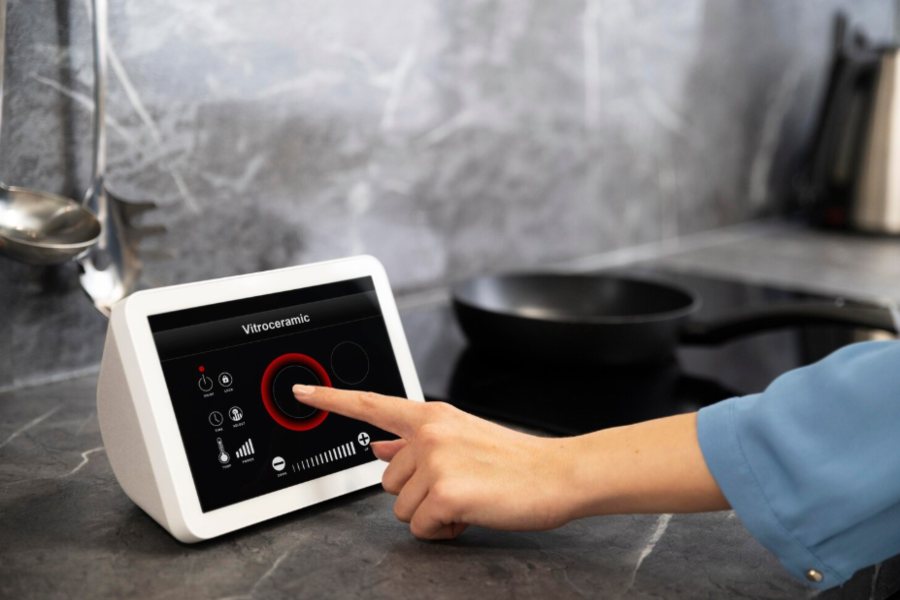
The rise of The IoT Revolution in Home Appliances: How Smart Devices Connect marks a pivotal shift in how we experience modern living. From automated lighting and intelligent thermostats to smart refrigerators and washing machines, IoT-enabled devices have transformed ordinary households into interconnected ecosystems. These appliances provide not only convenience and efficiency but also insights and predictive capabilities that empower homeowners to manage their daily routines effortlessly.
Modern smart appliances integrate sensors, AI algorithms, and cloud connectivity to learn user behavior and optimize performance. For instance, refrigerators can track inventory and expiration dates, washing machines can adjust cycles based on load size, and ovens can preheat remotely via a smartphone app. With voice assistants like Amazon Alexa or Google Assistant, controlling multiple devices has become as simple as speaking a command, creating a hands-free and personalized environment.
Beyond convenience, smart appliances contribute to sustainable living. They reduce energy consumption, optimize water usage, and minimize waste. Real-time monitoring allows users to track usage patterns and receive actionable insights to improve efficiency. In essence, the IoT revolution is not merely about smart gadgets—it is about creating a connected, efficient, and intelligent home ecosystem.
As homes become more connected, the possibilities for automation, predictive maintenance, and energy optimization expand exponentially. This article explores the scope of The IoT Revolution in Home Appliances: How Smart Devices Connect, discussing its benefits, practical applications, challenges, and future trends shaping our smart home experience.
The Rise of Connected Home Technologies
Smart appliances, also known as connected devices, are transforming traditional homes into intelligent environments. Equipped with sensors, microprocessors, and network connectivity, these devices can communicate with users, other appliances, and centralized cloud platforms. Unlike conventional appliances, smart devices provide real-time monitoring, remote control, and automation capabilities.
A smart refrigerator can scan contents, track expiry dates, and even suggest recipes. Smart ovens preheat automatically based on user schedules, while washing machines tailor cycles according to laundry type and load size. Integration with mobile apps and voice assistants enhances accessibility and user experience, enabling users to manage their homes effortlessly from anywhere.
The benefits extend beyond convenience. Smart appliances offer energy efficiency, cost reduction, and improved safety. Intelligent algorithms optimize power usage, detect anomalies, and send alerts for preventive maintenance. For example, smart smoke detectors can notify homeowners remotely of potential fire hazards, and smart locks enable secure access management for guests or service providers. By embedding connectivity into everyday appliances, The IoT Revolution in Home Appliances: How Smart Devices Connect is making homes safer, smarter, and more responsive.
Core Components of Smart Appliances
The world of home appliances is rapidly evolving with the rise of smart technology. The IoT Revolution in Home Appliances: How Smart Devices Connect is reshaping how we live, work, and manage daily tasks.
Connectivity Protocols
Smart devices rely on robust connectivity to exchange information. Common protocols include Wi-Fi, Bluetooth, Zigbee, Z-Wave, and the emerging Matter standard. These protocols facilitate device interoperability and seamless communication across various home networks. For homeowners seeking professional setup or troubleshooting services like https://fixifycolorado.com/ can provide expert assistance with connected appliances.
Sensors and Actuators
Sensors gather real-world data such as temperature, humidity, motion, and weight. Actuators translate commands into physical actions, like adjusting water flow in a washing machine or dimming lights in response to room occupancy.
Cloud Integration
Cloud platforms store, process, and analyze data collected by IoT appliances. Cloud services enable remote monitoring, predictive maintenance, and AI-driven recommendations, enhancing the user experience.
Mobile Applications
Apps provide centralized control and notifications. Users can manage multiple appliances, monitor energy consumption, receive alerts, and schedule operations from anywhere.
AI and Machine Learning
Intelligent algorithms optimize performance, predict maintenance needs, and personalize user interactions. Machine learning enables devices to adapt to behavioral patterns, improving efficiency over time.
Challenges and Limitations
Despite their benefits, smart appliances face certain challenges:
- Security and Privacy: Connected devices are potential targets for cyberattacks. Encryption, secure firmware updates, and strong authentication are essential to safeguard data.
- Interoperability: Different brands and platforms may not communicate seamlessly. Standardized protocols like Matter aim to improve compatibility.
- Cost: Smart appliances often come with higher upfront costs, limiting adoption among budget-conscious consumers.
- Complexity: Configuring and maintaining multiple devices may be challenging, requiring technical literacy and ongoing updates.
Ongoing advancements in security, standardization, and user-friendly interfaces are gradually overcoming these obstacles, allowing smart appliances to reach broader audiences.
The Role of IoT in Smart Appliances
IoT is the backbone of connected appliances. It allows devices to communicate, collect and analyze data, and make intelligent decisions.
- Connectivity: Appliances use Wi-Fi, Bluetooth, Zigbee, Z-Wave, or Matter for communication.
- Sensors and Actuators: Sensors gather real-time data, while actuators execute actions, such as adjusting temperature or turning off a device.
- Cloud Integration: Cloud services enable remote monitoring, predictive analytics, and AI-driven recommendations.
- Mobile Apps: Centralized control provides real-time alerts, automation setup, and remote operation.
- AI and Machine Learning: Intelligent algorithms adapt appliance behavior to user preferences and optimize performance.
IoT integration makes homes proactive, energy-efficient, and intelligent, delivering both convenience and sustainability.
Popular Smart Appliances
Smart appliances are increasingly diverse:
- Smart Refrigerators: Track inventory, suggest recipes, reorder groceries.
- Smart Thermostats: Learn user patterns, optimize temperature, save energy.
- Smart Washing Machines: Remote control, customized cycles, maintenance alerts.
- Smart Ovens and Coffee Machines: Preheat and brew based on schedule, recipes, or preferences.
- Home Hubs and Automation Devices: Coordinate multiple appliances for seamless routines.
The market continues to expand, offering innovative features across the kitchen, laundry room, and living spaces.
Future Trends in Smart Appliances
Looking ahead, several trends are shaping smart home technology:
- Enhanced Connectivity: Devices integrate more deeply with each other and cloud platforms.
- Smarter Energy Management: Appliances optimize consumption based on real-time data.
- AI Integration: Devices predict user needs, automate tasks, and improve personalization.
- Voice and Gesture Control: Hands-free operation increases convenience and accessibility.
- Sustainability Focus: Manufacturers are designing eco-friendly, energy-efficient devices.
The future of connected homes promises a seamless, intelligent, and sustainable living experience.
Conclusion
The IoT Revolution in Home Appliances: How Smart Devices Connect is transforming modern homes into connected, efficient, and intelligent environments. By combining AI, cloud connectivity, and smart sensors, these appliances offer energy efficiency, convenience, predictive maintenance, and enhanced safety. While challenges such as interoperability, security, and cost persist, technological advancements continue to address them. As smart appliances evolve, they will redefine how we interact with our homes, creating an ecosystem that anticipates our needs and enhances our daily lives.
FAQ’s
What are smart appliances?
Smart appliances are IoT-enabled devices that connect to the internet, allowing remote control, automation, and energy optimization.
How do smart appliances communicate?
They use Wi-Fi, Bluetooth, Zigbee, Z-Wave, or Matter protocols to exchange data and interact with users and other devices.
Are smart appliances energy-efficient?
Yes. Intelligent algorithms optimize power and water usage, reducing bills and environmental impact.
What is the main advantage of IoT in homes?
IoT enables connected devices to automate tasks, predict needs, enhance convenience, and improve home efficiency.
Are smart appliances secure?
Security depends on manufacturer protocols, firmware updates, encryption, and strong authentication practices.
What is the future of smart home appliances?
Future appliances will integrate AI, improve energy efficiency, enhance predictive automation, and increase interoperability across devices.
Leave a Reply